Best Drunken Noodle Near Me for Flavor-Packed Weeknight Dinners
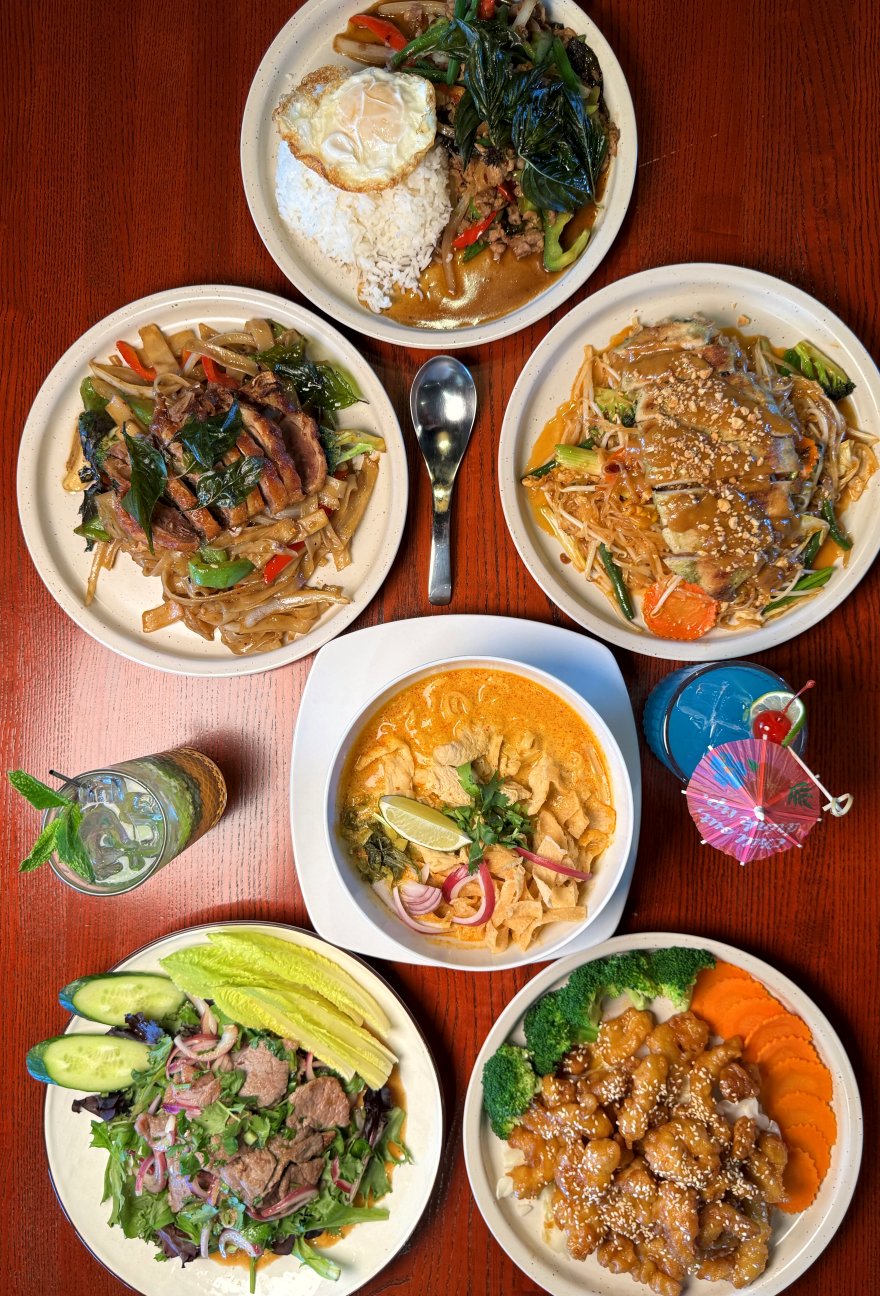
There are weeknights when cooking feels noble, and there are weeknights when the only reasonable plan is to find a hot, fragrant container of noodles that can reset your whole mood in ten minutes. Drunken noodle sits near the top of that category. It lands with the kind of force that makes takeout feel less like a convenience and more like a good decision. Wide rice noodles, dark soy, garlic, chilies, Thai basil, crisp vegetables, and a protein that actually tastes like it was cooked for the dish instead of dropped in as an afterthought, that combination has saved more rushed evenings than I can count.
The phrase “Drunken Noodles Near Me” gets typed into phones for a reason. People are not just looking for food. They are looking for reliability, speed, comfort, and enough bold flavor to break through the fog of a long day. A great Drunken Noodle order does all of that at once. It arrives steaming, glossy, and aromatic, with enough char and basil to smell vivid the second the lid comes off. A bad one tastes flat, sweet in the wrong way, or greasy without depth. The gap between average and excellent is wide, which is why it helps to know what you are really searching for when that craving hits.
Why drunken noodle works so well on a weeknight
Some dishes are best in a restaurant and lose their charm on the ride home. Drunken noodle is not one of them, at least not when it is made well. Its sauce clings to the broad noodles, so it travels better than more delicate stir fries. The vegetables keep enough texture to stay interesting. The spice wakes everything up, even if you are eating at your kitchen counter after 8 p.m. With one shoe still on.
It also solves the practical problem of dinner better than many other takeout options. One order is often hearty enough for a large single serving or a lighter dinner plus leftovers for lunch. If you add extra protein, it becomes even more substantial. Restaurants that understand the dish do not skimp on the basil or garlic, and that matters because Drunken Noodle depends on aromatic intensity. Without that punch, it becomes just another noodle stir fry.
I have found that people often confuse a “filling” dinner with a satisfying one. A heavy meal can leave you sluggish. A good drunken noodle should feel generous but not dull. The noodles carry weight, but the chilies, basil, and vegetables keep the dish sharp and lively. That balance is what makes it so effective after a busy day.
What drunken noodle should taste like
If you are comparing local options, it helps to know the target. Drunken Noodle, often called pad kee mao in Thai restaurants, is built around a few specific sensations. The first is savoriness, deep soy richness with a slight caramel edge from high heat. The second is heat, which can range from gentle to assertive but should feel purposeful rather than punishing. The third is freshness, most often from Thai basil, whose peppery, almost anise-like perfume defines the dish.
Texture matters just as much. The noodles should be supple and slightly chewy, not mushy and not dry. The sauce should coat them rather than pool at the bottom of the container. Vegetables such as bell peppers, onions, or broccoli should still have some bite. Protein should be seasoned and seared, not bland and steamed. If the cook gets a little wok char on the noodles, even better. That smoky note gives the dish dimension and makes it taste more like a restaurant meal than simple takeout.
One of the most common disappointments is over-sweetness. Many places, especially those aiming at a broad takeout crowd, lean too hard into sugar. A little sweetness can round out the salty and spicy elements, but it should never dominate. Another frequent problem is oil without heat control. Stir fried noodles need enough oil to move in the pan, but when the final result tastes greasy instead of glossy, something went wrong.
How to tell if a nearby restaurant is likely to do it well
Searching “Drunken Noodles Near Me” will usually give you a long map full of Thai restaurants, pan-Asian menus, and the occasional place that treats every noodle dish as interchangeable. The names alone do not tell you much. The menu language and photos often tell you more.
When a restaurant takes Drunken Noodle seriously, the description usually mentions Thai basil, broad rice noodles, and chili. That may sound basic, but it is revealing. Menus that describe every noodle dish in nearly identical terms often signal a one-sauce-fits-all approach in the kitchen. Look at photos, if available, with a skeptical eye. You want noodles that look dark and glossy, flecked with basil and vegetables, not pale and limp. If the noodles are chopped into short, uneven pieces in every photo, the kitchen may be handling them roughly or reheating them too aggressively.
Reviews can help, but only if you read past the star rating. Specific comments matter more than generic praise. I pay attention when several reviewers mention that the noodles have real heat, good wok flavor, or generous basil. I also notice complaints about dryness, excessive sweetness, or protein that arrives overcooked. Those are common enough that repeated mentions are rarely random.
Timing is another clue. Restaurants that execute stir fries well often move quickly during dinner rush because the dishes are designed for high-heat, fast cooking. If a place consistently has extremely long wait times for simple noodle orders, that does not necessarily mean the food is bad, but it can suggest an overloaded line where delicate texture gets sacrificed.
The signs of a restaurant that understands wok cooking
Good Drunken Noodle depends on technique more than many diners realize. Broad rice noodles are fragile. They can clump, tear, or turn gummy if mishandled. The sauce can burn before it coats. The basil can go black and bitter if thrown in too early. The difference between restaurant-quality noodles and cafeteria-style noodles is often less about ingredients than control over heat and timing.
You can taste when a cook knows how to build the dish in layers. Garlic blooms first. Protein gets color. Vegetables hit the wok long enough to soften slightly, not long enough to collapse. The noodles absorb sauce instead of drowning in it. Basil goes in near the end so it perfumes the whole dish. That sequence sounds simple on paper. In service, with multiple tickets firing at once, it takes real discipline.
This is why some neighborhoods have one Thai spot that everyone quietly agrees is worth the extra ten-minute drive. They are not necessarily using rare ingredients. They are just getting the fundamentals right every single time.
Choosing the right protein, and when vegetarian is actually the better order
Chicken is the safest choice at many places because it absorbs sauce well and is easier for kitchens to cook consistently in a rush. Beef can be excellent, especially if the slices are thin and the wok heat is high enough to sear without turning them rubbery. Shrimp works best when the restaurant has good turnover and a light hand, because overcooked shrimp in a hot noodle dish goes from tender to bouncy very fast. Pork, when available, can be a sleeper hit, particularly if it is slightly fatty and picks up char.
That said, some of the best Drunken Noodle orders I have had were tofu or vegetable versions. Tofu, when properly fried or seared before being tossed with the noodles, carries sauce beautifully. Vegetable-only versions can highlight the basil and chili more clearly because there is no protein to mute those top notes. If a restaurant tends to overcook its meats, the vegetarian order can actually be the smarter move.
There is also a practical point here for weeknight eating. If you know you are likely to save half for lunch, chicken or tofu often reheats more gracefully than shrimp or beef. That matters if you want your dinner order to do double duty.
Spice level is not a dare, it is a decision
Plenty of people make the mistake of ordering the hottest version available just to prove a point, then spend dinner sweating through flavor notes they wanted to taste. Drunken noodle should be spicy enough to feel alive, but not so hot that the basil, garlic, and soy disappear.
Restaurants vary wildly in how they define heat. One place’s medium is another place’s very hot. If you are ordering from a restaurant for the first time, medium is usually the best starting point unless reviews clearly say their spice levels run mild. If you already know the kitchen cooks timidly, then asking for hot makes sense. If you know they cook aggressively, a medium or “medium plus” request often gets you the balance you actually want.
I have found that the ideal spice level for weeknight takeout is slightly below whatever I would order for dine-in. Food tends to keep cooking in the container, and heat can feel more concentrated when you eat quickly at home. You want warmth and intensity, not a meal that turns into an endurance event.
The details that separate a memorable order from an average one
A surprising number of noodle dishes fail on little things. The restaurant may have the right ingredients, but the ratios are off. Too much onion can make the dish watery. Not enough basil can flatten the aroma. Excess broccoli can make it eat like a generic mixed vegetable stir fry. Too little sauce leaves chalky noodles. Too much sauce creates a slick puddle at the bottom of the box.
Container choice even plays a role. The best takeout drunken noodle often comes packed in a slightly wider container that lets the noodles sit with less compression. When they are crammed too tightly, steam accumulates, and the texture suffers before you even get home. If you are picking up in person and have a short drive, crack the bag open slightly in the car. It sounds minor, but a little venting can preserve texture.
Another overlooked detail is egg. Some restaurants add just enough to enrich the noodles. Others throw in so much that the dish starts drifting toward pad see ew territory. Neither is morally wrong, but if you specifically want that bold, basil-heavy Drunken Noodle character, you do not want the egg taking over.
How to order smarter when you want the best result
The wording of your order can nudge the outcome. You do not need to be fussy, but a little precision helps. If a place offers options for extra basil, extra vegetables, or added protein, choose selectively. Extra basil is often worth it. Extra sauce can be helpful if the restaurant is known for dry noodles, though it can backfire at spots that already sauce heavily. Added vegetables are great when the kitchen cuts them well and keeps them crisp, less so when they bulk out the dish and dilute the flavor.
If your restaurant includes condiments, use them with restraint at first. A squeeze of lime, if provided, can brighten the dish, but drowning it in fish sauce, chili paste, or soy before tasting it defeats the point of evaluating the kitchen. You want to know how the baseline version performs.
Some useful ordering habits are simple enough to remember:
- Start one spice level lower than your bravest instinct at a new restaurant.
- Choose chicken or tofu if you want the best odds for leftovers.
- Ask for extra basil before you ask for extra sauce.
- Pick up directly when possible, because broad rice noodles suffer with long delivery times.
- Order during the restaurant’s normal busy dinner window, not right before close.
That last point matters. Stir fry stations are usually sharpest during active service. Right before closing, ingredients may be lower, staff may be cleaning down, and the food can reflect it.
Pairing drunken noodle with the rest of dinner
Drunken noodle can stand alone, but it also plays well with a few supporting dishes when you are feeding two or more people. The trick is not to order so much that the noodle itself becomes an afterthought. A crisp papaya salad, fresh spring rolls, or a simple cucumber salad brings contrast. Satay can work if you want more protein, though it can make the meal heavy if the noodles are already rich.
For drinks, cold sparkling water is underrated. It cuts through the sauce and spice without distracting. Iced tea works, especially unsweetened or lightly sweetened. Beer is a classic pairing for obvious reasons, but if the goal is a functional weeknight dinner rather than a drawn-out evening, a bright nonalcoholic option often suits the food just as well.
When I am ordering for a household, I usually think in terms of contrast rather than volume. If the noodles are the main event, the side dishes should refresh the palate, not compete with it.
What to do if your local options are inconsistent
Not every neighborhood has a standout Thai restaurant, and even good spots can have off nights. If your local search for “Drunken Noodles Near Me” keeps producing mixed results, pattern recognition helps. Some kitchens do better with lunch than dinner, some are better on weekdays than Saturdays, and some simply perform better for pickup than delivery. It is worth keeping notes, even informally.
I know people who treat takeout like roulette and then feel disappointed repeatedly. A better approach is to pay attention to variables. Was the dish better when ordered at 6:15 than at 8:45? Was it stronger with tofu than with beef? Did the noodles arrive less clumped when you picked up yourself? Two or three observations can turn an average experience into a dependable one.
If a restaurant gets the flavor right but skimps on portion size, that may still be acceptable for a weeknight if the execution is strong. On the other hand, a giant container of dull noodles is not a bargain if half of it goes untouched. Value is not just about weight. It is about whether the meal actually satisfies.
Reheating leftovers without ruining them
Drunken noodle leftovers can be excellent, but they need a little care. The microwave is fine if you avoid blasting them into paste. Add a teaspoon or two of water, cover loosely, and heat in short bursts, stirring once or twice. This helps loosen the sauce and revive the noodles. If you have a skillet, even better. A minute or two over medium heat with a splash of water often brings back the original texture more effectively than the microwave.
Thai basil will not taste as fresh on day two, and that is normal. What you are aiming to preserve is the noodle texture and the sauce balance. This is another reason I tend to favor chicken or tofu for weeknight orders. They tolerate reheating with less penalty than seafood.
If leftovers are clearly dry, do not reach first for soy sauce. Soy makes things saltier faster than it improves them. Water, a small spoon of stock, or even a tiny bit of neutral oil will usually fix the texture more gracefully.
When the best nearby option is not the most expensive one
Price and quality do not always line up neatly in takeout. Some polished restaurants charge premium prices but soften flavors to appeal to a broader audience. Meanwhile, a smaller family-run place in a strip center may produce a better Drunken Noodle because the cooks make it the same way they have for years and do not overcomplicate it.
That does not mean cheaper is always better. Very low prices can signal smaller portions, lower-grade ingredients, or shortcuts in protein quality. But when evaluating your options, I would trust specificity, consistency, and execution over branding every time. A kitchen that nails the noodles, basil, heat, and wok character is giving you what matters most.
There is also a psychological factor. People often expect a weeknight dinner to be merely convenient, so they settle for less. Drunken Noodle rewards higher standards. It is one of those dishes where the jump from decent to excellent is so noticeable that it can change your whole sense of what takeout should be.
The real goal of the search
The search for the best Drunken Noodle near you is not really about finding the mathematically perfect bowl of noodles. It is about identifying the place that fits your real life. Maybe that means the restaurant that gets the basil and spice exactly right. Maybe it is the one that packs the noodles well for a fifteen-minute drive. Maybe it is the kitchen that never overcooks tofu and always follows your medium-spice request accurately.
Weeknight dinners live or die on dependability. You want a dish that arrives hot, tastes vivid, and Drunken Noodles Near Me feels worth the money without requiring a lot of ceremony. Great Drunken Noodle delivers that better than most takeout staples. It is bold without being fussy, substantial without being sleepy, and familiar without feeling boring.
Once you find your place, the whole ritual becomes easier. The order takes thirty seconds. The craving gets met. Dinner stops being another task to solve. That is the promise behind every search for “Drunken Noodles Near Me,” and when the restaurant gets it right, it is a promise worth keeping.
Nakhon Luang Thai Kitchen
Address: 805 Village Center Dr, Colorado Springs, CO 80919
Phone number: +17195315175
FAQ About Drunken Noodles Near Me
What makes it drunken noodles?
Drunken noodles, or Pad Kee Mao, get their name from the Thai word khi mao (meaning "drunkard"). They contain no alcohol. The name comes from the idea that the dish is a popular late-night meal to cure a hangover or a great food to eat with a cold beer.
What is the difference between pad see ew and drunken noodles?
While both Pad See Ew and Drunken Noodles use the same wide rice noodles, Pad See Ew is a mild, sweet-savory dish made with dark soy sauce and Chinese broccoli, whereas Drunken Noodles (Pad Kee Mao) are fiery, garlicky, and herbaceous with fresh chilies and Thai basil.
What are traditional drunken noodles?
Traditional drunken noodles, known as Pad Kee Mao in Thai, are a fiery, savory street food stir-fry made with wide flat rice noodles, fresh garlic, lots of hot chilies, meat or tofu, and fragrant holy basil. Despite the name, they contain no alcohol; the dish is traditionally eaten late at night or as a hangover cure because the intense spice helps clear the head.